State of Our State

The 2025 State of Our State Dashboard is now live!

This page features an archived version of our State Dashboard from 2023. To visit the 2025 State of Our State Dashboard, click here.

How Does Tennessee Stack Up?

ThinkTennessee’s State of Our State dashboard, now in its 6th year, provides a snapshot of how our state ranks nationally across 135 of the indicators that matter most to Tennesseans.

The Tennessee economy is rapidly expanding. But to date, our economic success has not yet translated into greater economic opportunity and security for all Tennesseans.

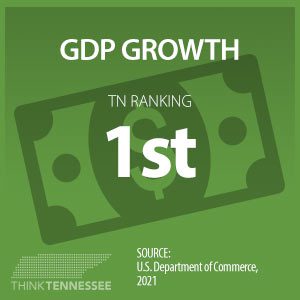
Indeed, while our latest dashboard finds improvements in our national rank on statewide economic indicators from GDP growth (in just three years we’ve risen from #24 in the country to #1–a rate of 8.6% in 2021!) to poverty to unemployment, metrics at the individual level, including median household income, debt levels, and cost-burdened households among others have declined or worsened.

Importantly, state-level economic successes did not happen by accident. Rather, the improvement in these metrics is a direct result of concerted statewide policy efforts and prioritization – illuminating a path forward to achieve similar progress on many of the affordability, infrastructure, and health challenges continuing to plague our state’s working families.

As Tennessee moves deeper into this period of economic expansion, the 2023 dashboard points to several areas where the scope of policymaking should prioritize expanding access to opportunities for all Tennesseans.

Interested in ideas about how to move our state forward? Our research shares success stories from other states and includes pragmatic solutions about how Tennessee can continue to make progress.

Note: For the sake of consistency, rankings have been standardized so low numbers always reflect positive outcomes. In other words, being ranked first is always better than being ranked 50th. Additional detail on research methodology can be found below the rankings.


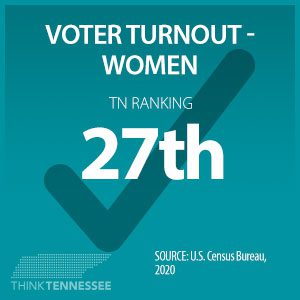
Voter Turnout – Women

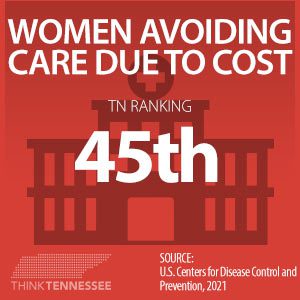
Women Avoiding Care Due to Cost

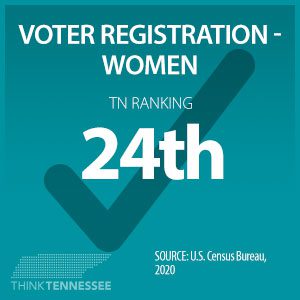
Voter Registration – Women

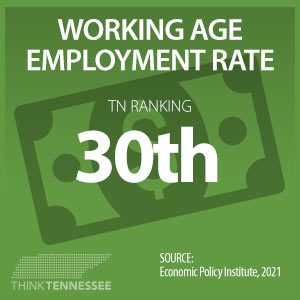
Working Age Employment Rate

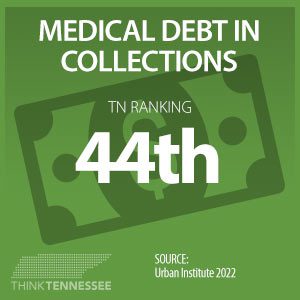
Medical Debt in Collections

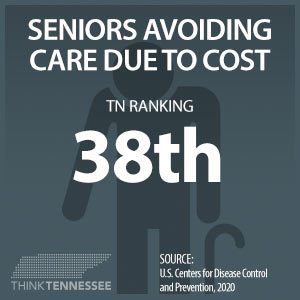
Seniors Avoiding Care Due to Cost

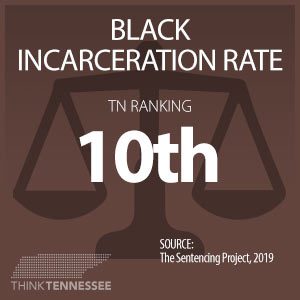
Black Incarceration Rate

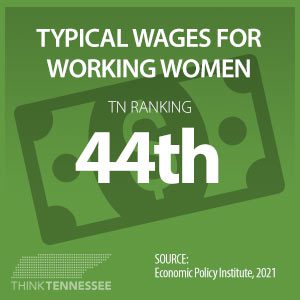
Typical Wages for Working Women

Public School Teacher Salary

Fourth-Grade Reading Proficiency

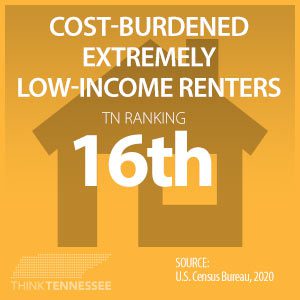
Cost-Burdened Extremely Low-Income Renters

Student Loan Holders in Default

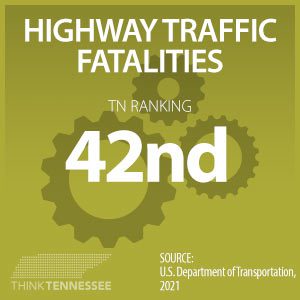
Highway Traffic Fatalities

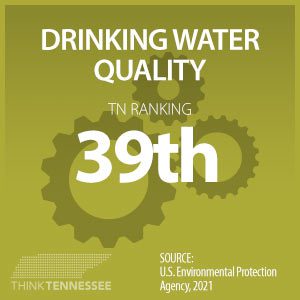
Drinking Water Quality

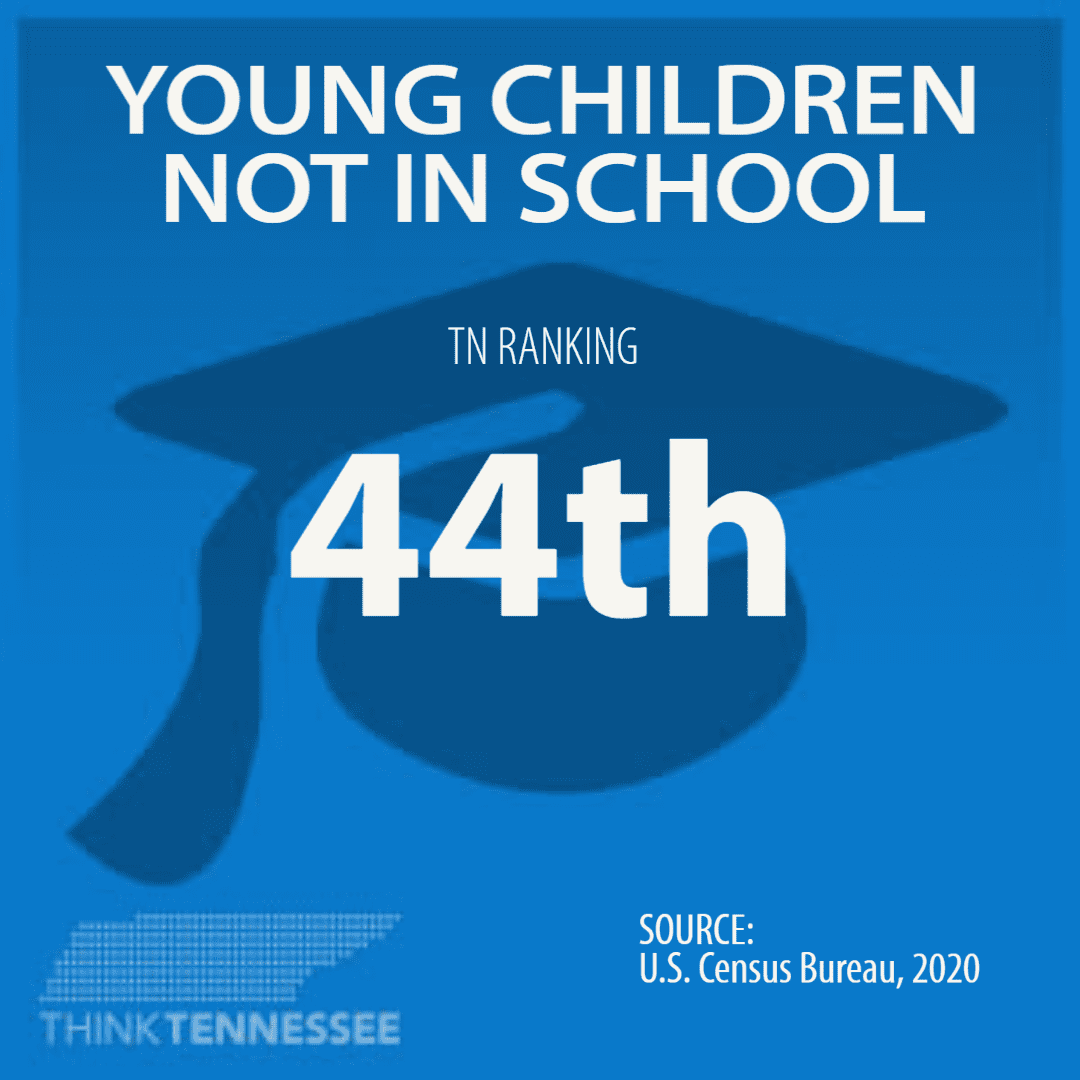
Young Children Not in School

Property Crime

Hispanic/Latino Adults Avoiding Care Due to Cost

Children’s Medicaid/Chip Participation Rate

Typical Wages for Workers with Highschool Education

Seniors (65+) Voter Turnout

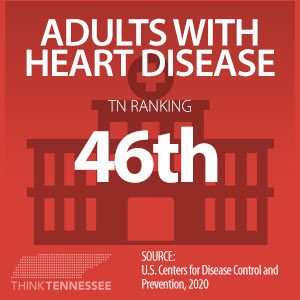
Adults with Heart Disease

Solar Energy Systems

Hispanic/Latino Incarceration Rate

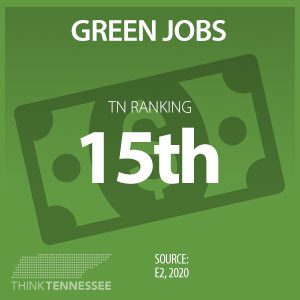
Green Jobs

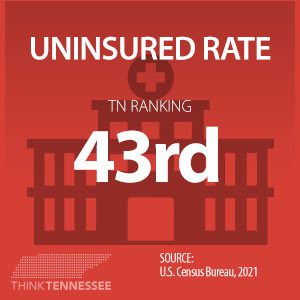
Uninsured Rate

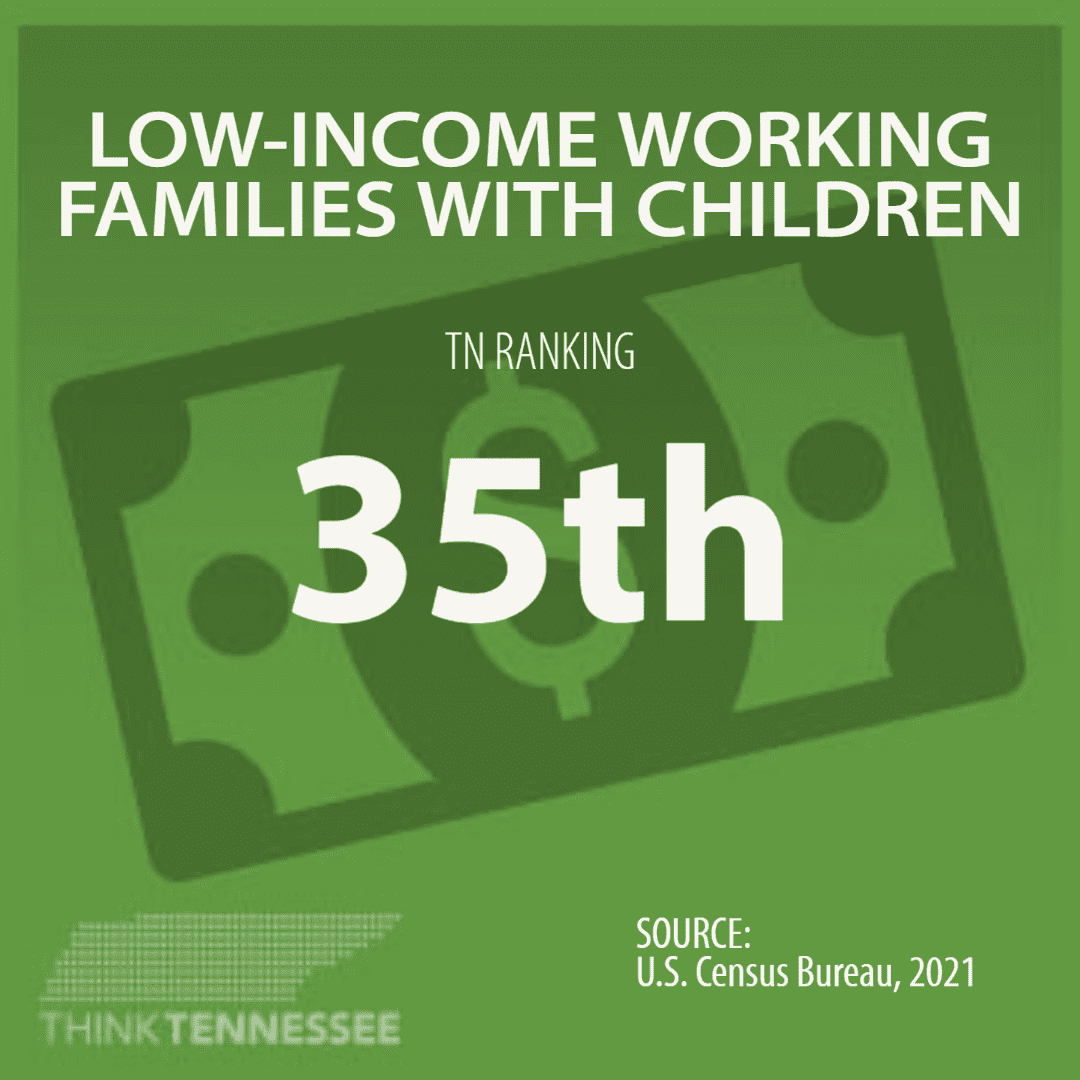
Low-Income Working Families with Kids

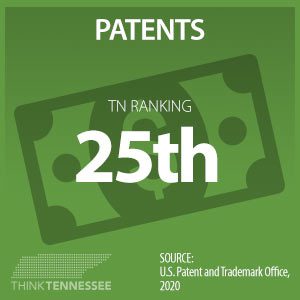
Patents

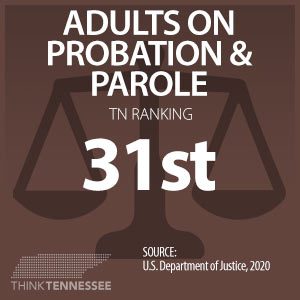
Adults on Probation & Parole

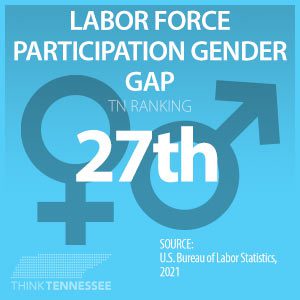
Labor Force Participation Gender Gap

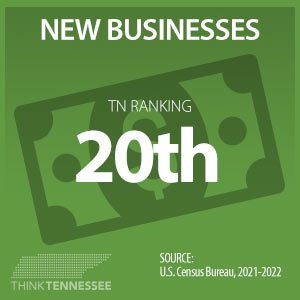
New Businesses

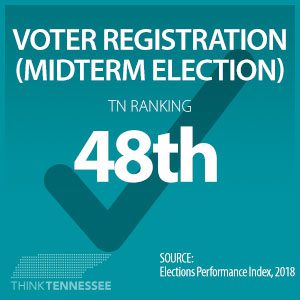
Voter Registration (Midterm Election)

Student Loan Holders in Default in Communities of Color

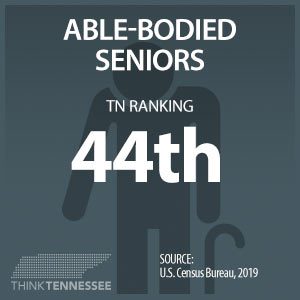
Able-Bodied Seniors

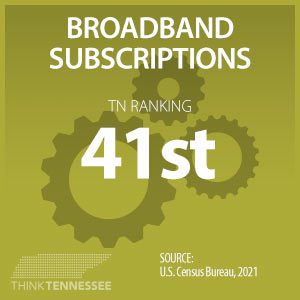
Broadband Subscriptions

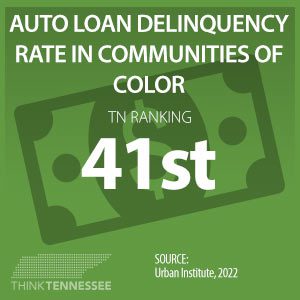
Auto Loan Delinquency Rate in Communities of Color

GDP Growth

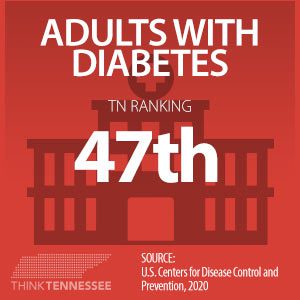
Adults with Diabetes

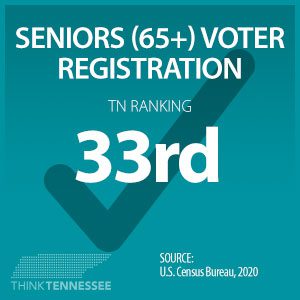
Seniors (65+) Voter Registration

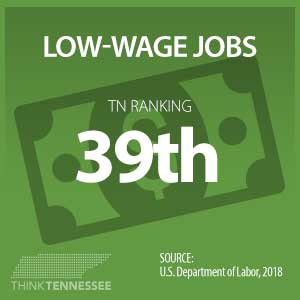
Low-Wage Jobs

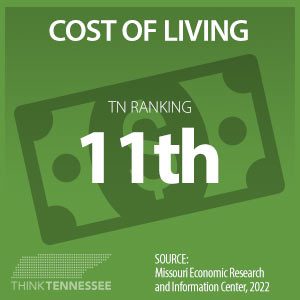
Cost of Living

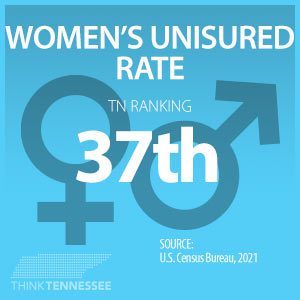
Women’s Uninsured Rate

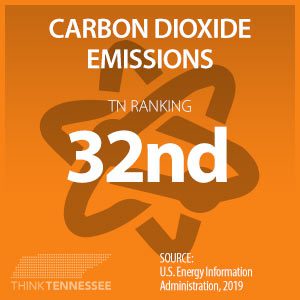
Carbon Dioxide Emissions

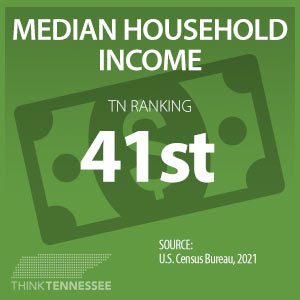
Median Household Income

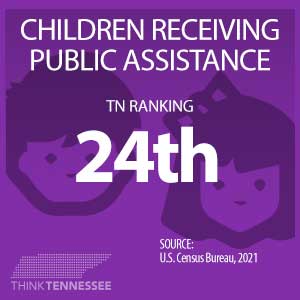
Children Receiving Public Assistance

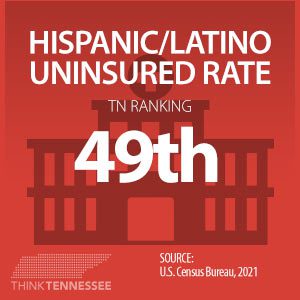
Hispanic/Latino Uninsured Rate

Hispanic/Latino Post-High School Educational Attainment

Student-Teacher Ratio

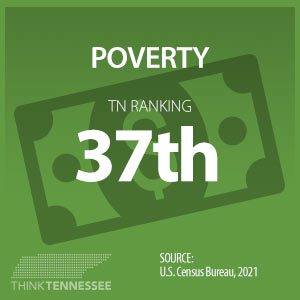
Poverty

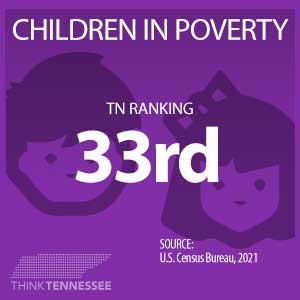
Children in Poverty

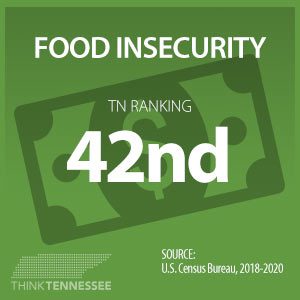
Food Insecurity

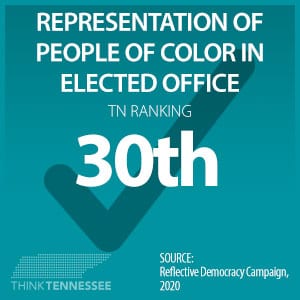
Representation of People of Color in Elected Office

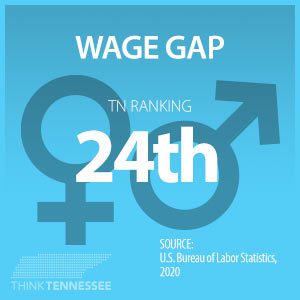
Wage Gap

Juvenile Detention Rate

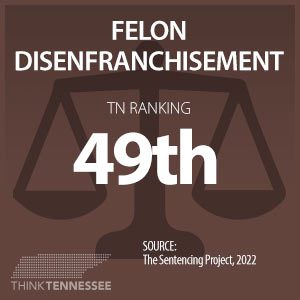
Felon Disenfranchisement

Violent Crime

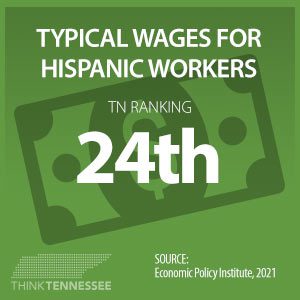
Typical Wages for Hispanic Workers

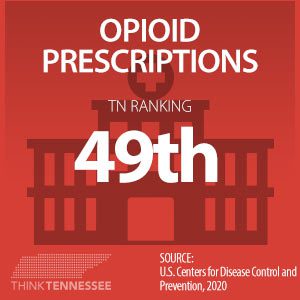
Opioid Prescriptions

High School Graduation

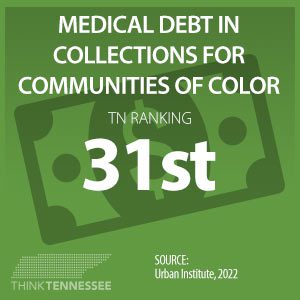
Medical Debt in Collections for Communities of Color

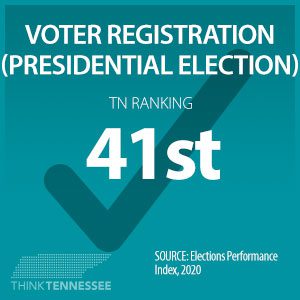
Voter Registration (Presidential Election)

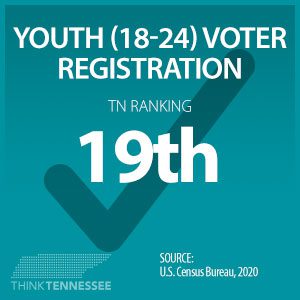
Youth (18-24) Voter Registration

Leed Certified Buildings

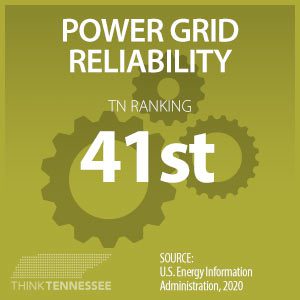
Power Grid Reliability

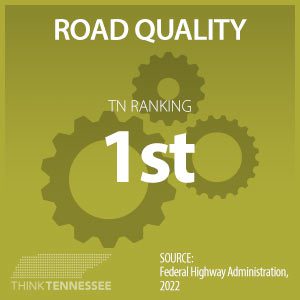
Road Quality

Hispanic/Latino Fourth-Grade Reading Proficiency

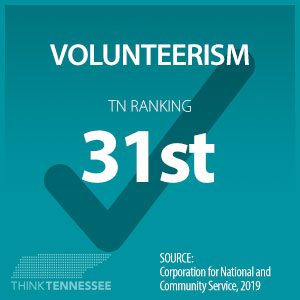
Volunteerism

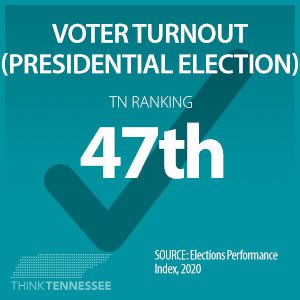
Voter Turnout (Presidential Election)

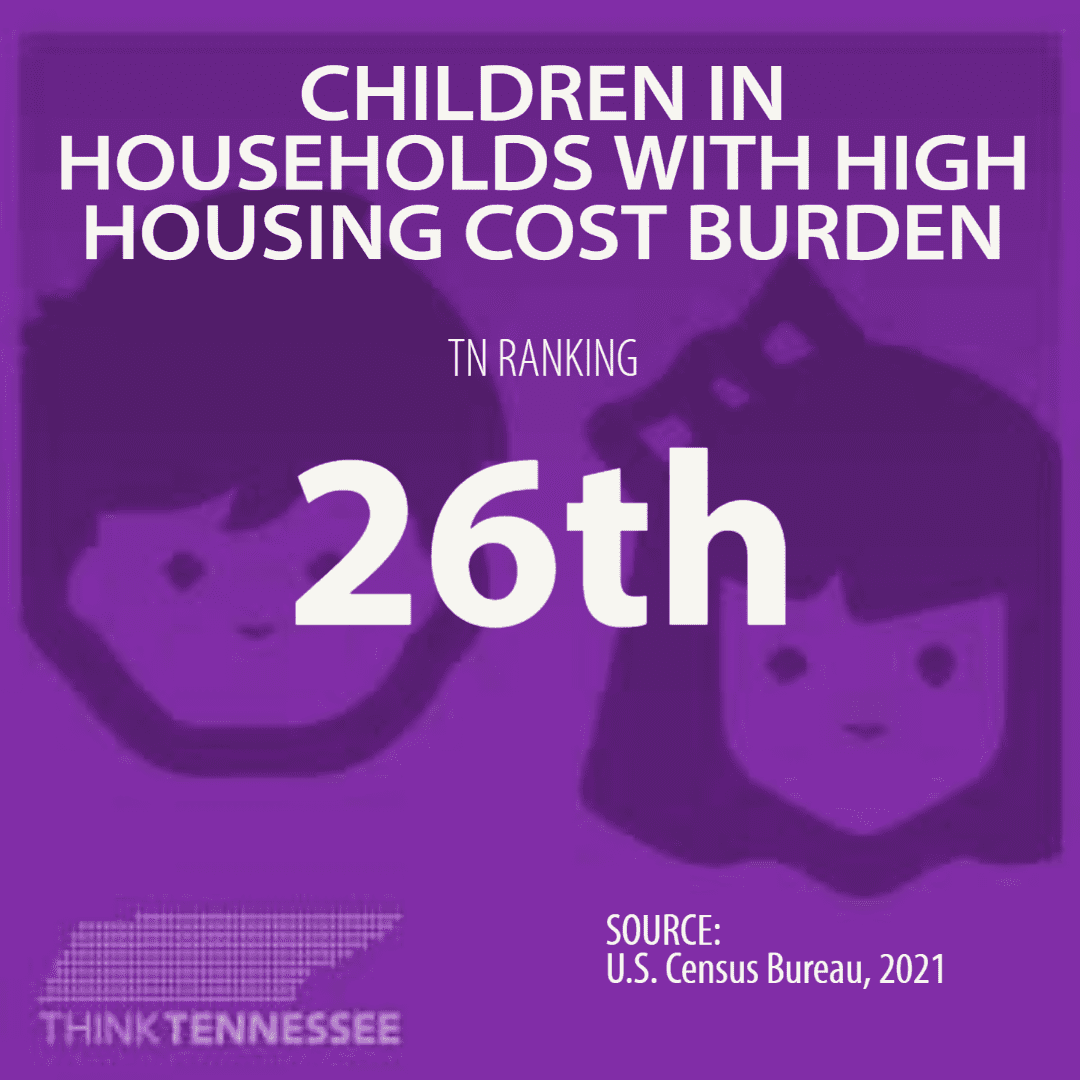
Children in Households with High Housing Cost Burden

Women Judges

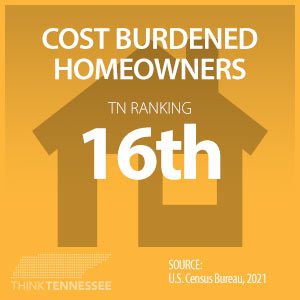
Cost-Burdened Homeowners

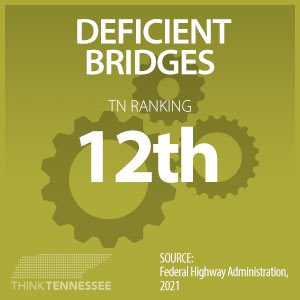
Deficient Bridges

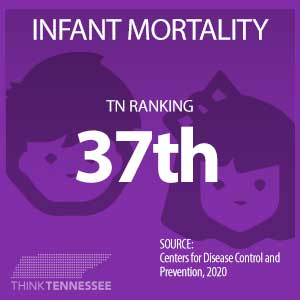
Infant Mortality

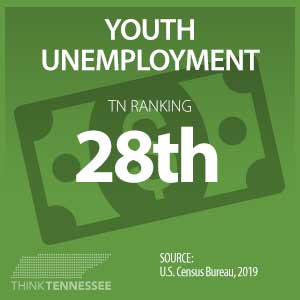
Youth Unemployment

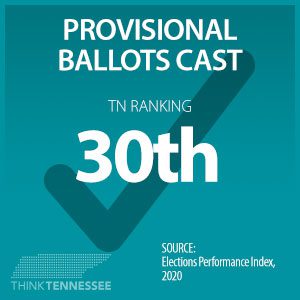
Provisional Ballots Cast

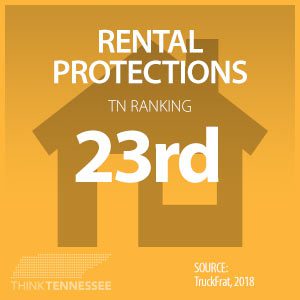
Rental Protections

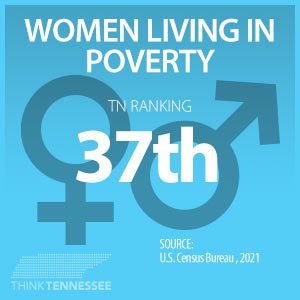
Women Living in Poverty

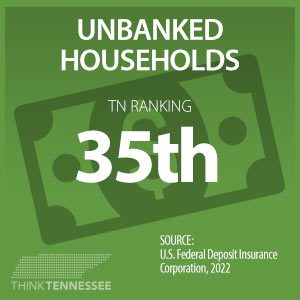
Unbanked Households

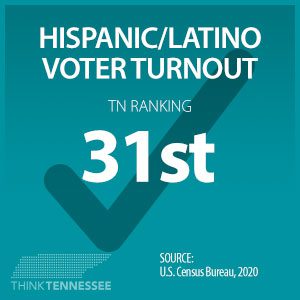
Hispanic/Latino Voter Turnout

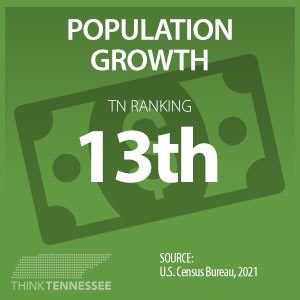
Population Growth

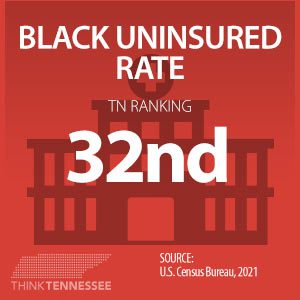
Black Uninsured Rate

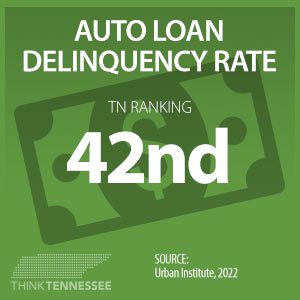
Auto Loan Delinquency Rate

Rural Broadband Access

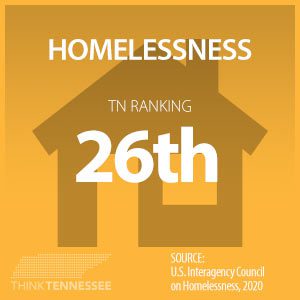
Homelessness

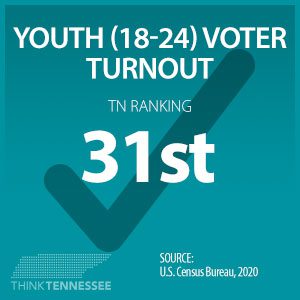
Youth (18-24) Voter Turnout

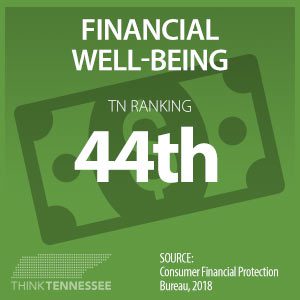
Financial Well-Being

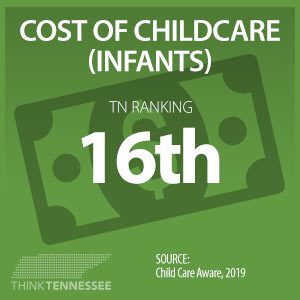
Cost of Childcare (Infants)

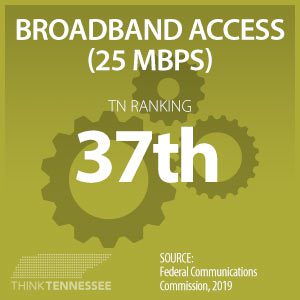
Broadband Access (25 MBPS)

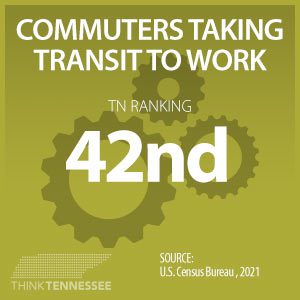
Commuters Taking Transit to Work

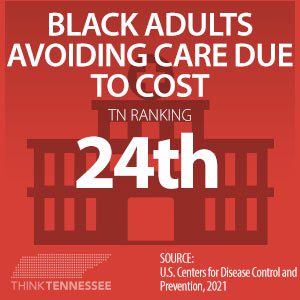
Black Adults Avoiding Care Due to Cost

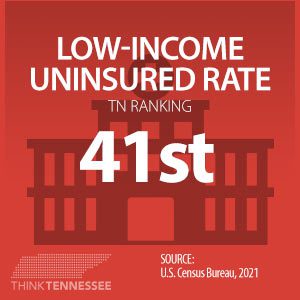
Low-Income Uninsured Rate

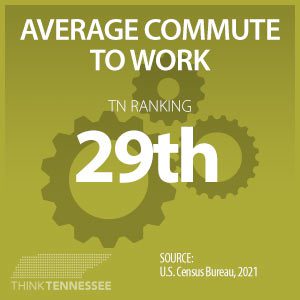
Average Commute

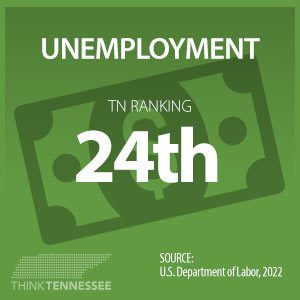
Unemployment

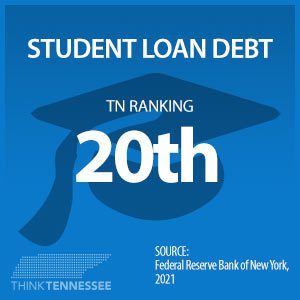
Student Loan Debt

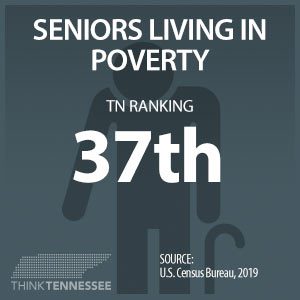
Seniors Living in Poverty

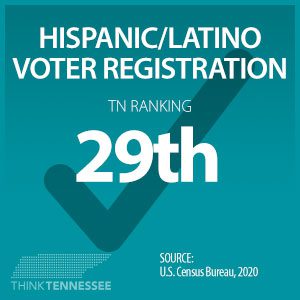
Hispanic/Latino Voter Registration

Black Post-High School Educational Attainment

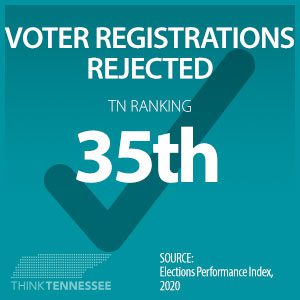
Voter Registrations Rejected

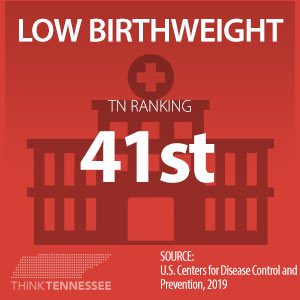
Low Birthweight

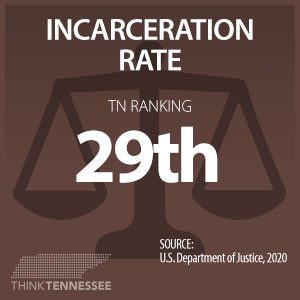
Incarceration Rate

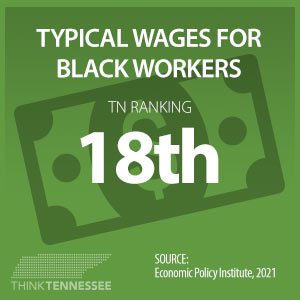
Typical Wages for Black Workers

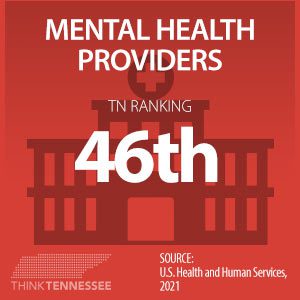
Mental Health Providers

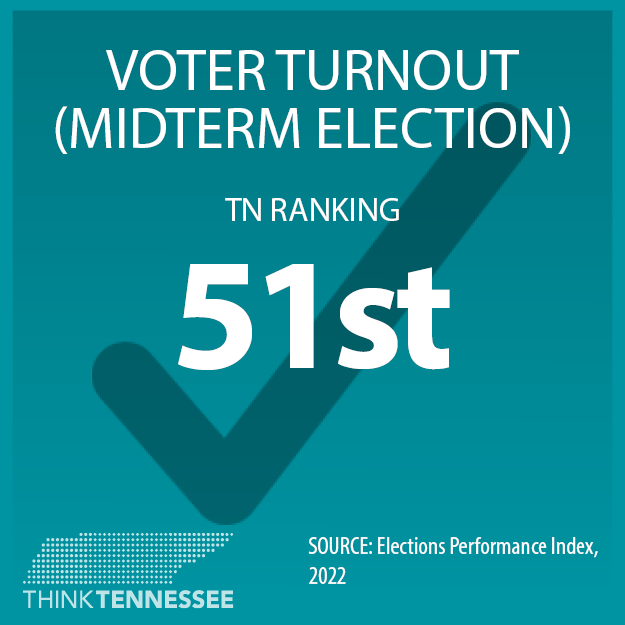
Voter Turnout (Midterm Election)

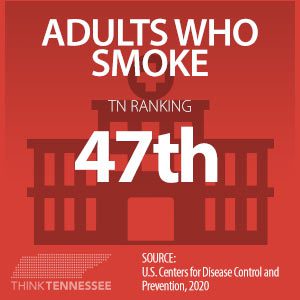
Adults Who Smoke

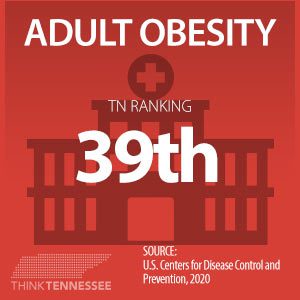
Adult Obesity

Public Library Funding

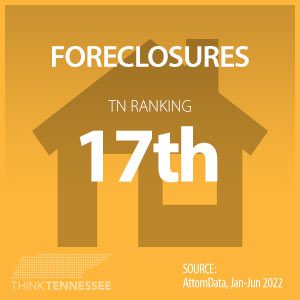
Foreclosures

Recidivism

Black Fourth-Grade Reading Proficiency

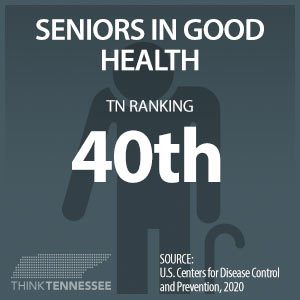
Seniors in Good Health

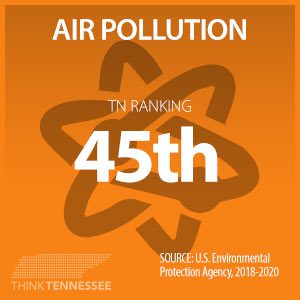
Air Pollution

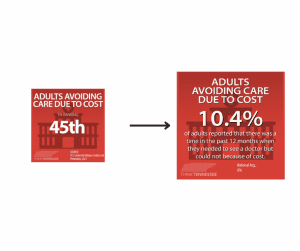
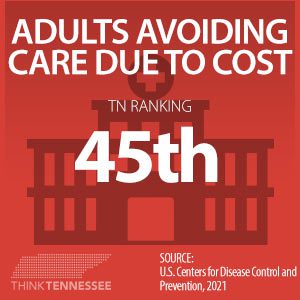
Adults Avoiding Care Due to Cost

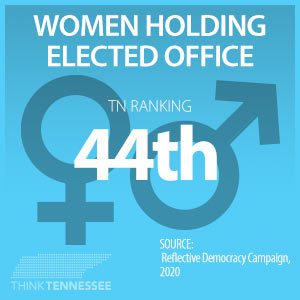
Women Holding Elected Office

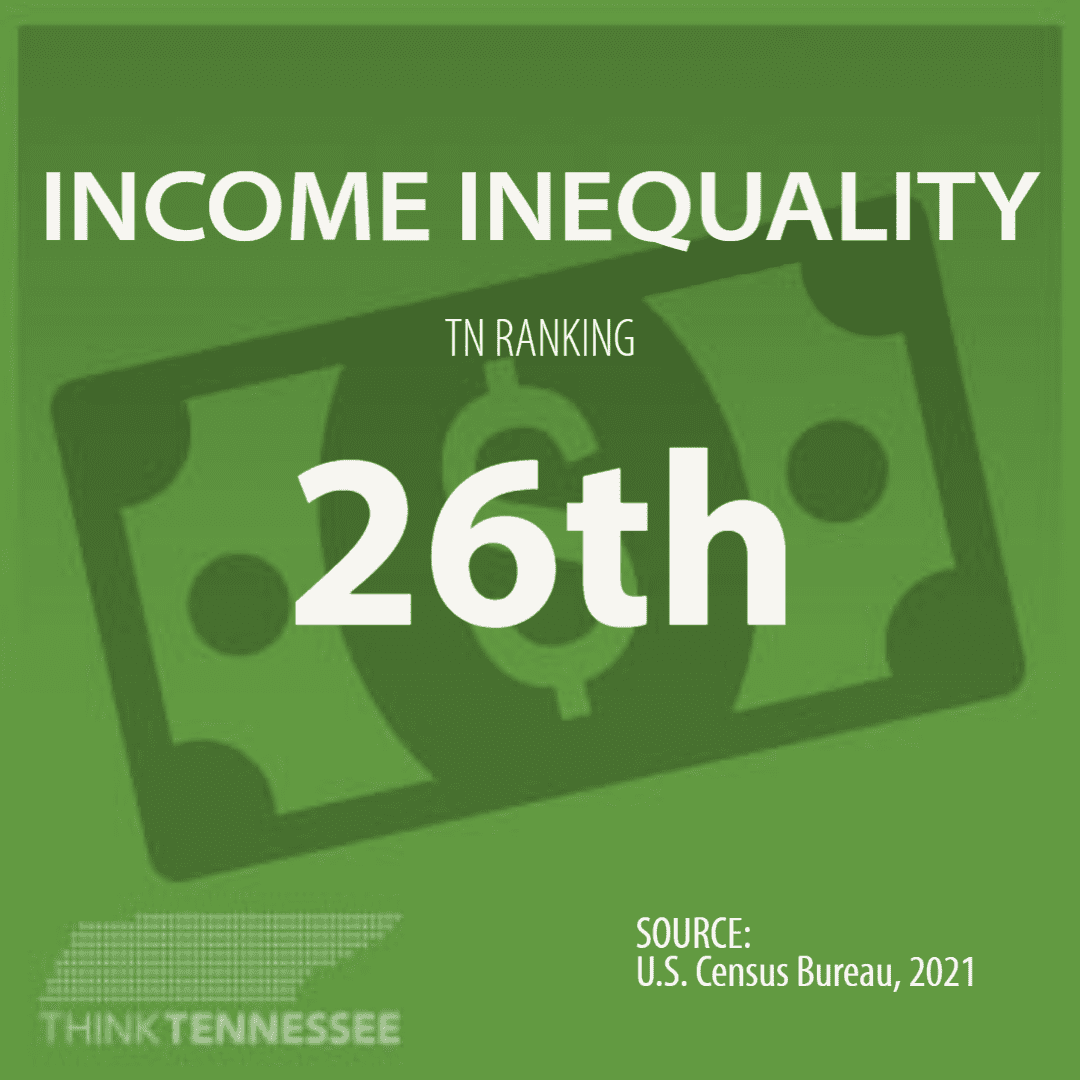
Income Inequality

Adults Without a High School Diploma

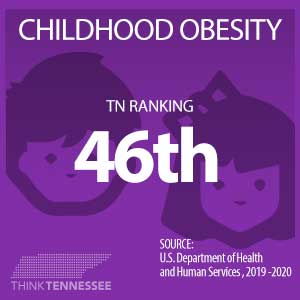
Childhood Obesity

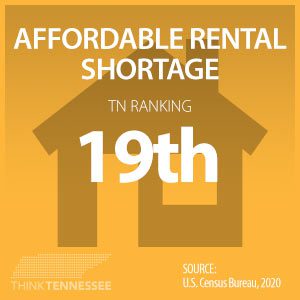
Affordable Rental Shortage

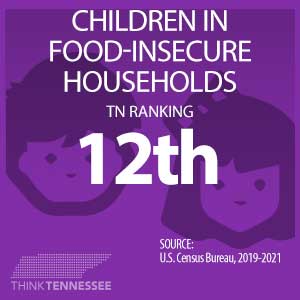
Children in Food-Insecure Households

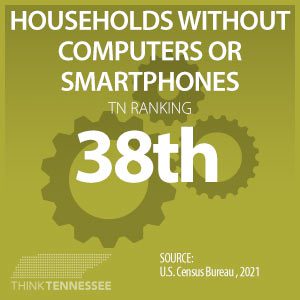
Households without Computers or Smartphones

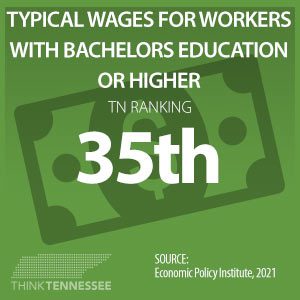
Typical Wages for Workers with Bachelors Education or Higher

Post-High School Educational Attainment

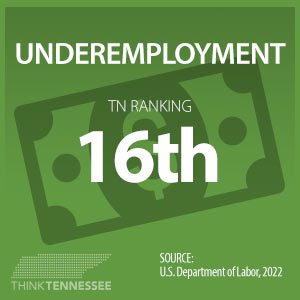
Underemployment

Gigabyte Internet Availability

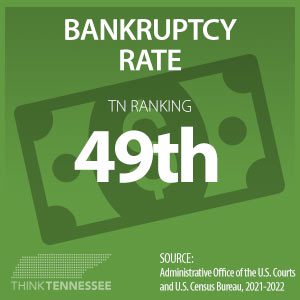
Bankruptcy Rate

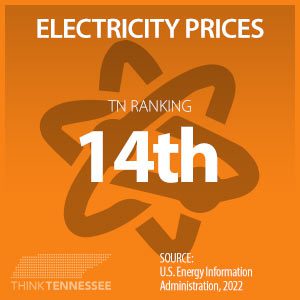
Electricity Prices

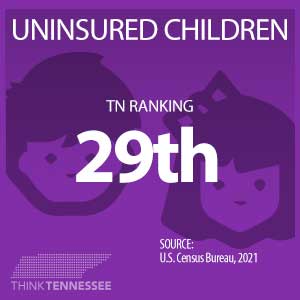
Uninsured Children

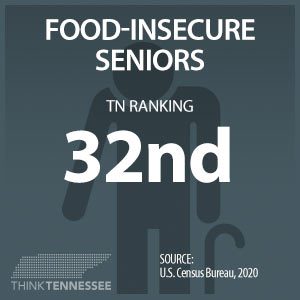
Food-Insecure Seniors

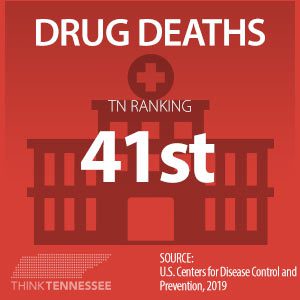
Drug Deaths

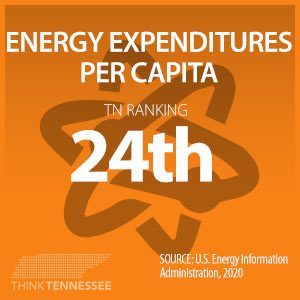
Energy Expenditures Per Capita

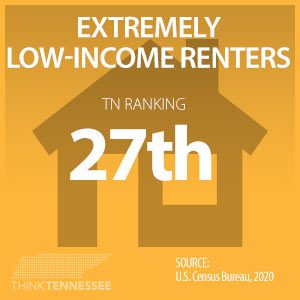
Extremely Low-Income Renters

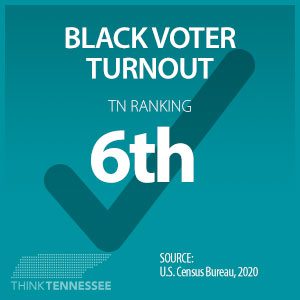
Black Voter Turnout

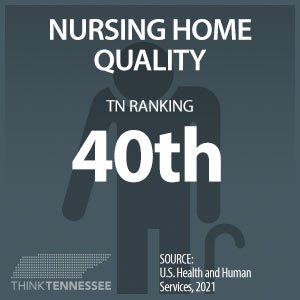
Nursing Home Quality

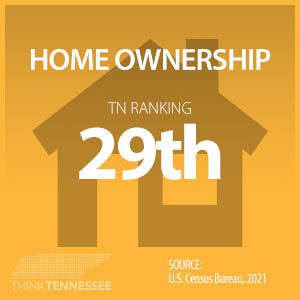
Home Ownership

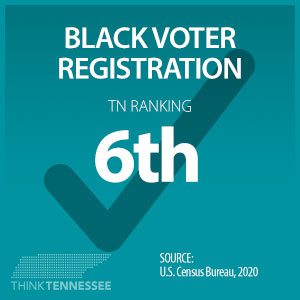
Black Voter Registration

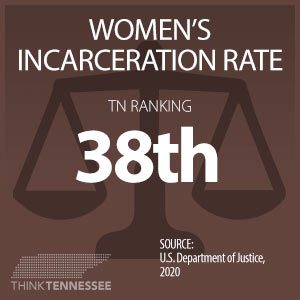
Women’s Incarceration Rate

Notes on Methodology:

Metrics were compiled using publicly available data and are current as of Jan. 10th, 2023. Where possible, we favored U.S. government data over other sources for consistency and reliability.
Some debt- and voting-related indicators will be updated throughout the year as newer information becomes available.